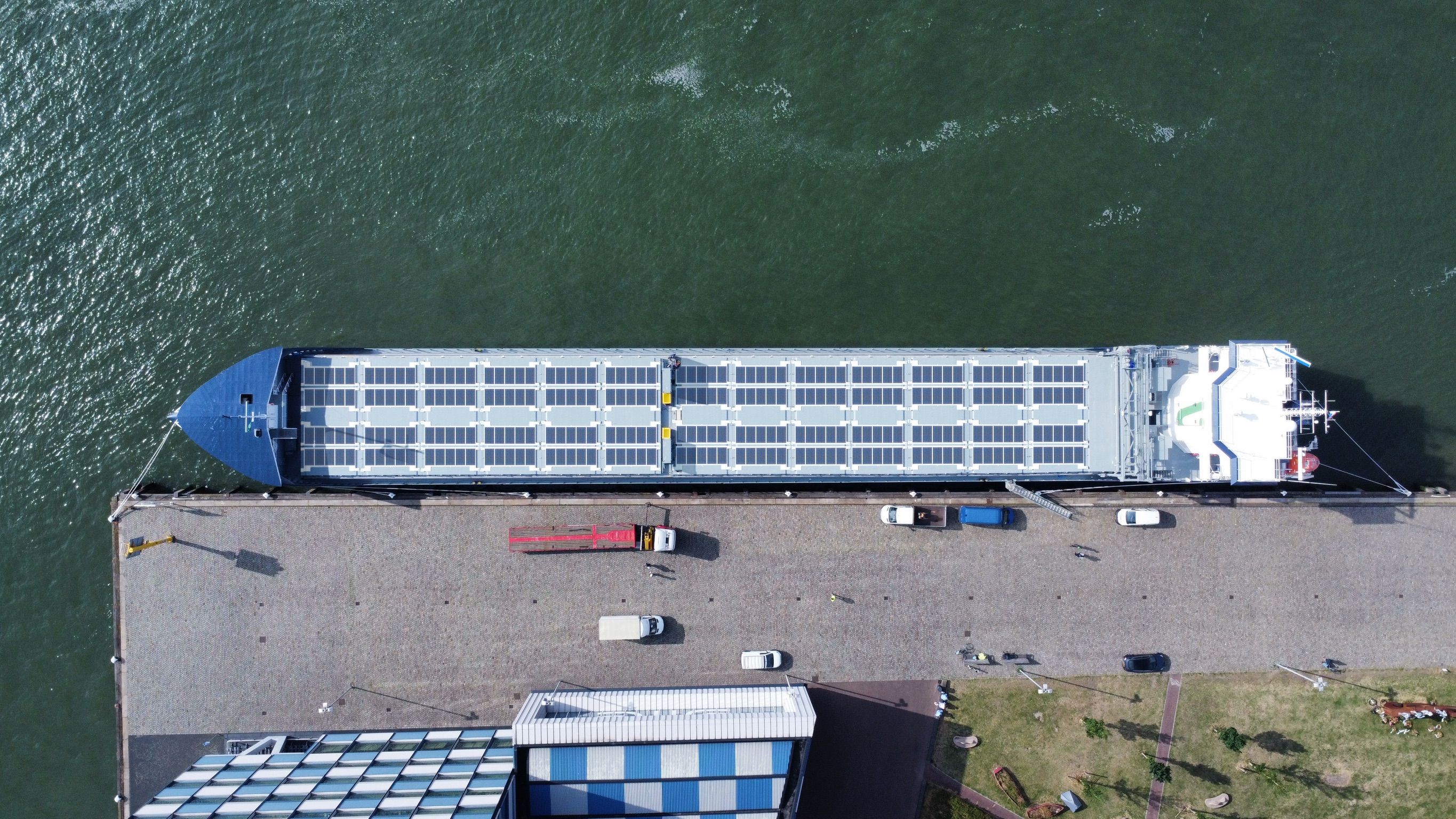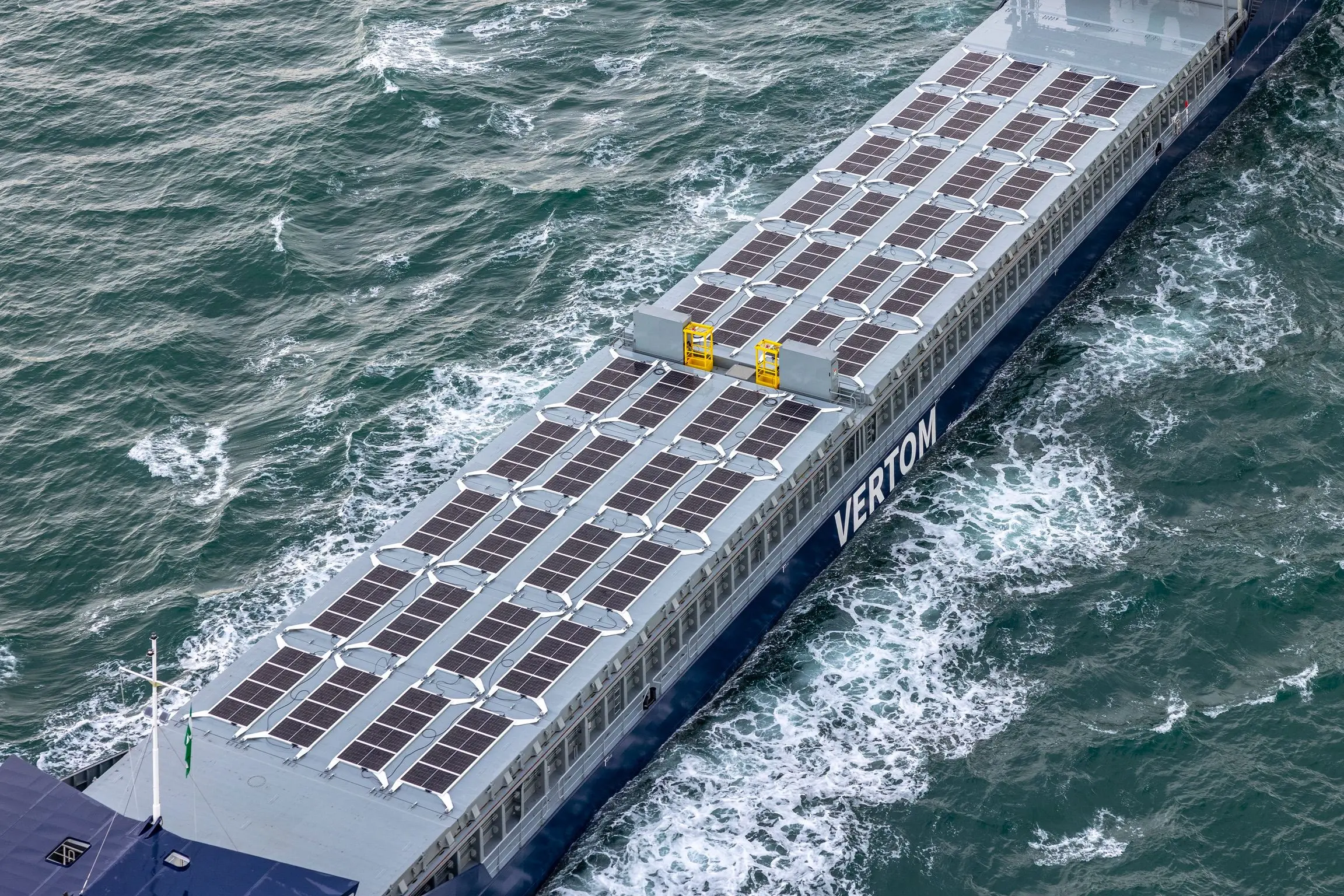
Solar power for bulk carriers. It works. Now it scales.
After two pilots and a full-scale installation on the Vertom Tula, Wattlab is ready to bring the Solar Flatrack to Panamax and Capesize vessels.
Wattlab has demonstrated through the Vertom Tula that solar energy can be a practical and scalable part of a vessel's energy supply at sea. The results confirm what two years of pilots set out to prove: the system works, the numbers hold up and the crew can handle it. Now Wattlab is taking the next step and bringing the Solar Flatrack to the international bulk shipping market.
Currently the technology works on coasters and vessels up to the Supramax segment, particularly on ships with foldable or stackable hatch covers. In parallel, development has started for Panamax and Capesize bulk carriers. Those are bigger vessels with different deck layouts, but the core logic is the same: unused deck space generating clean energy.
From pilot to practice
The path from idea to proven product took real work. Wattlab ran two pilot projects together with TNO and Vertom, first on the Vertom Anette and then on the Vertom Tula. Each project taught them something. About seaworthiness. About how the crew actually uses the system day-to-day. About what breaks and what holds up.
"With this step, we show that solar power at sea is no longer an experiment. It is a working solution."
Bo Salet, CEO and co-founder of Wattlab, is clear about what the pilot phase delivered: "Through the two pilot projects, we learned a great deal about usability, both from a technical perspective and in terms of how easily the crew can operate the system. We also gained valuable insights into seaworthiness. Based on this knowledge, we have significantly upgraded our Solar Flatrack system."
No impact on operations
For shipowners, the practical question is always the same: what happens when the ship needs to carry a deck load? The Solar Flatrack was designed with that question in mind.
- Panels can stay in place during normal loading and unloading operations
- The system can be disconnected and stacked quickly if needed
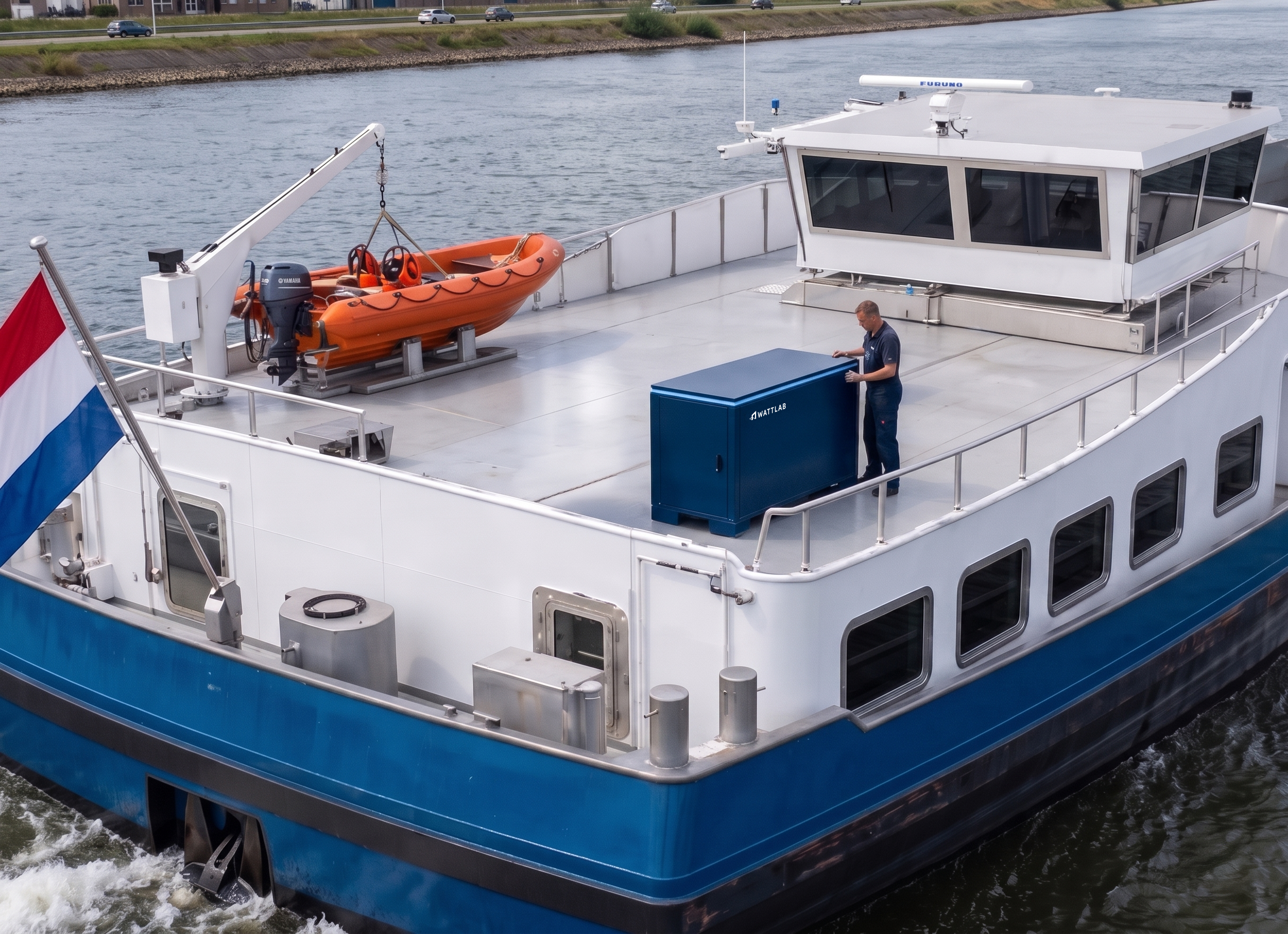
- All units fit within the footprint of a single 20-foot container
The crew on the Vertom Tula were initially sceptical. In practice, they found the system easy to use and low on maintenance. No salt crust builds up because water drains freely from the panels. And the deck stays fully operational.
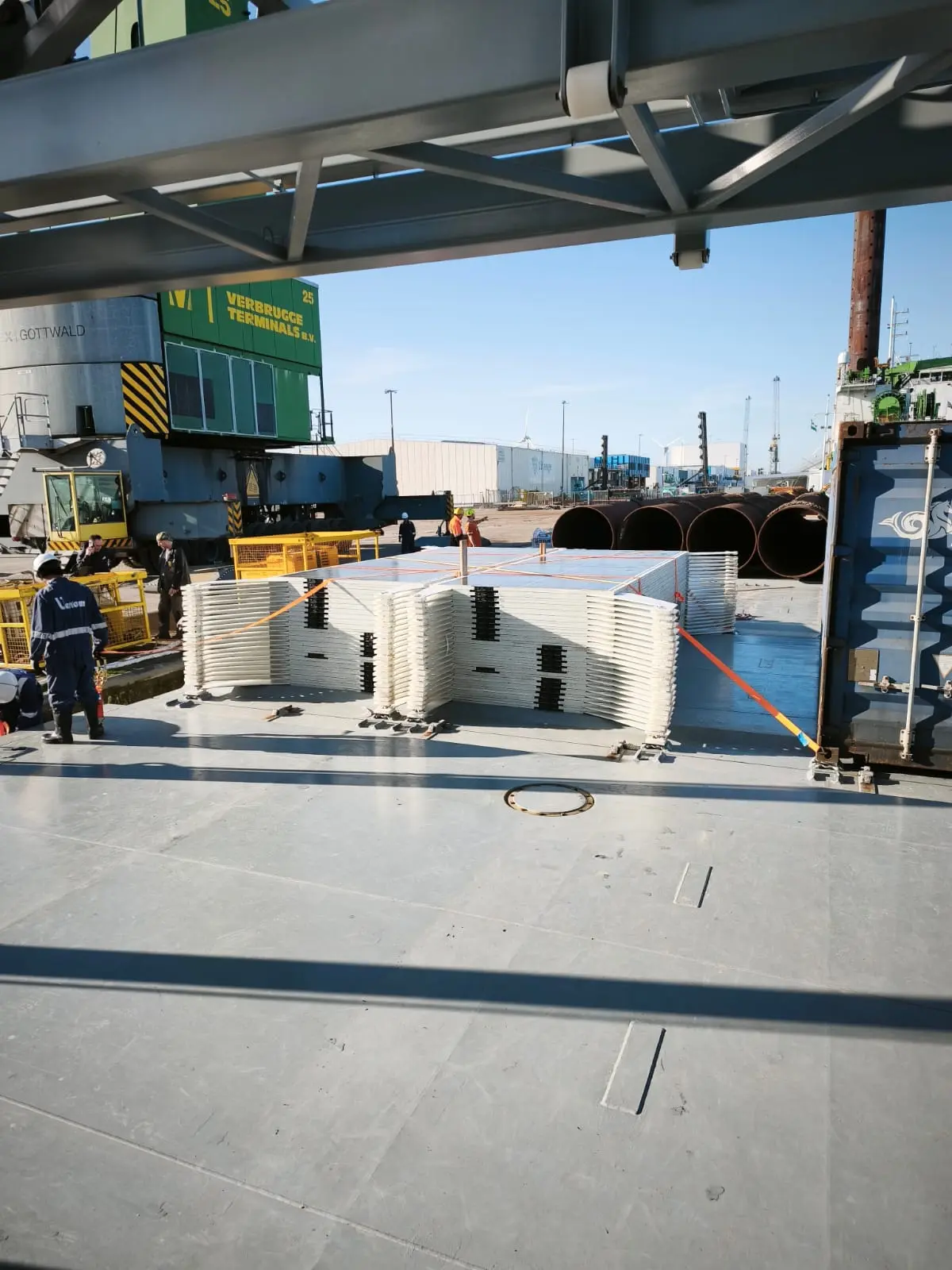
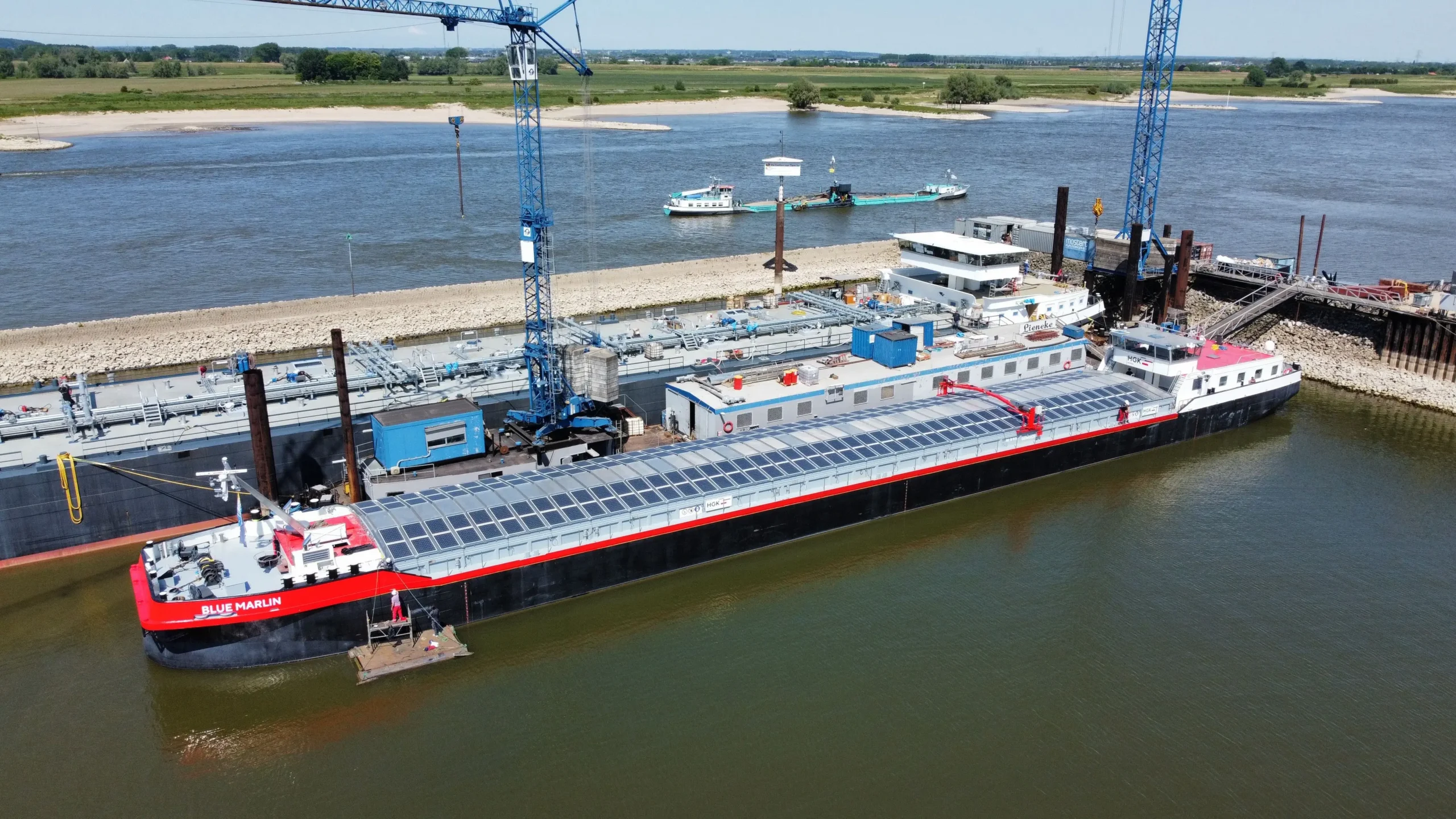
Mounting the Solar Flatrack units on deck.
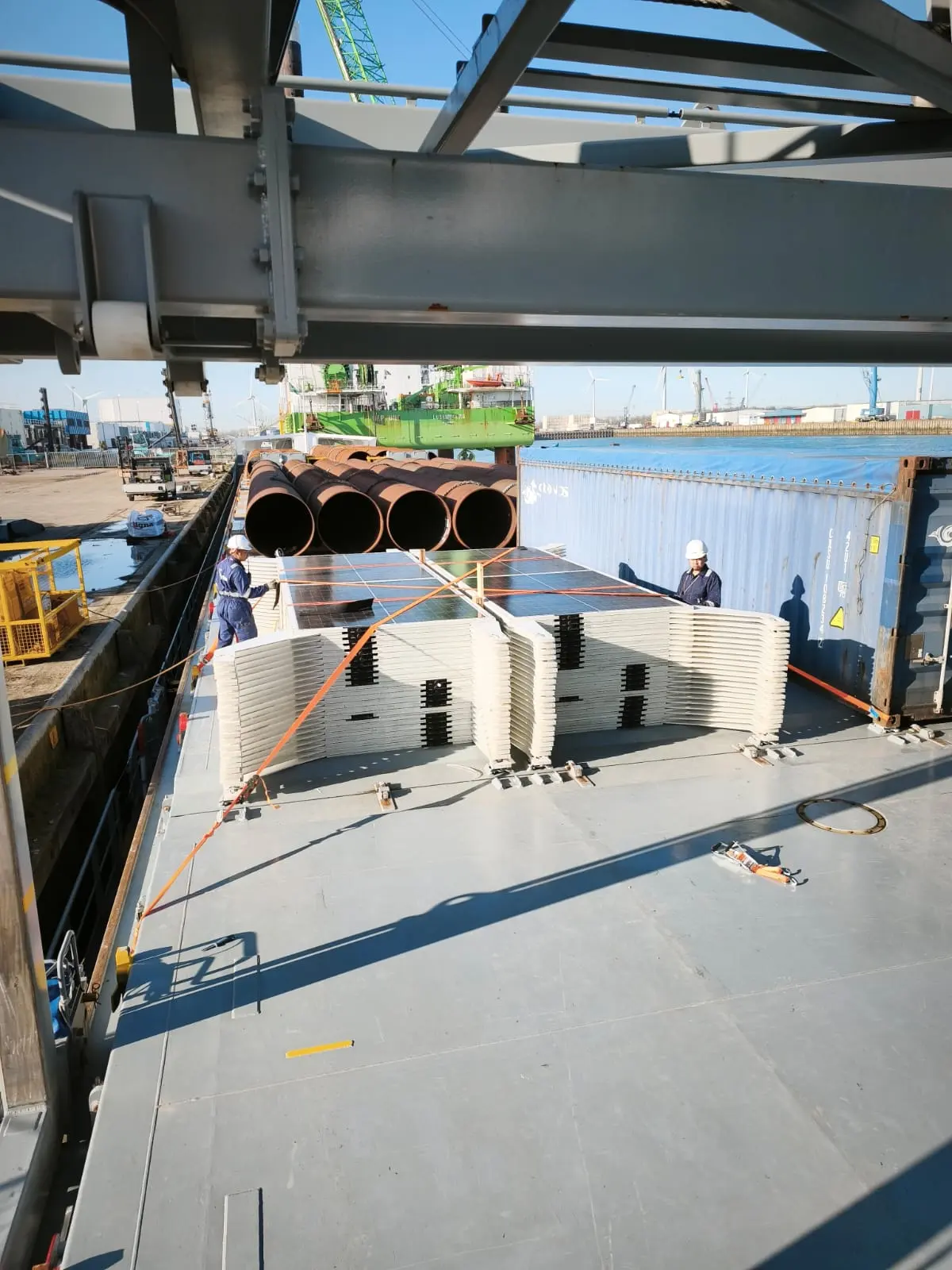
The Solar Flatrack installation process on deck.
Ready for bigger vessels
The Supramax segment is a starting point, not a ceiling. Wattlab has already started development work on solutions for Panamax and Capesize bulk carriers. Larger vessels mean more deck space and proportionally bigger energy savings. The regulatory pressure from CII, EEXI, FuelEU Maritime and EU ETS makes that a compelling proposition for fleet operators at scale.
Market interest
Wattlab has already engaged with more than 200 international parties interested in deploying Solar Flatracks across their fleets. That figure includes shipowners, operators and fleet managers from across Europe and beyond. Bo Salet: "Market interest is growing rapidly. Our tested and proven technology is ready to be deployed at scale."
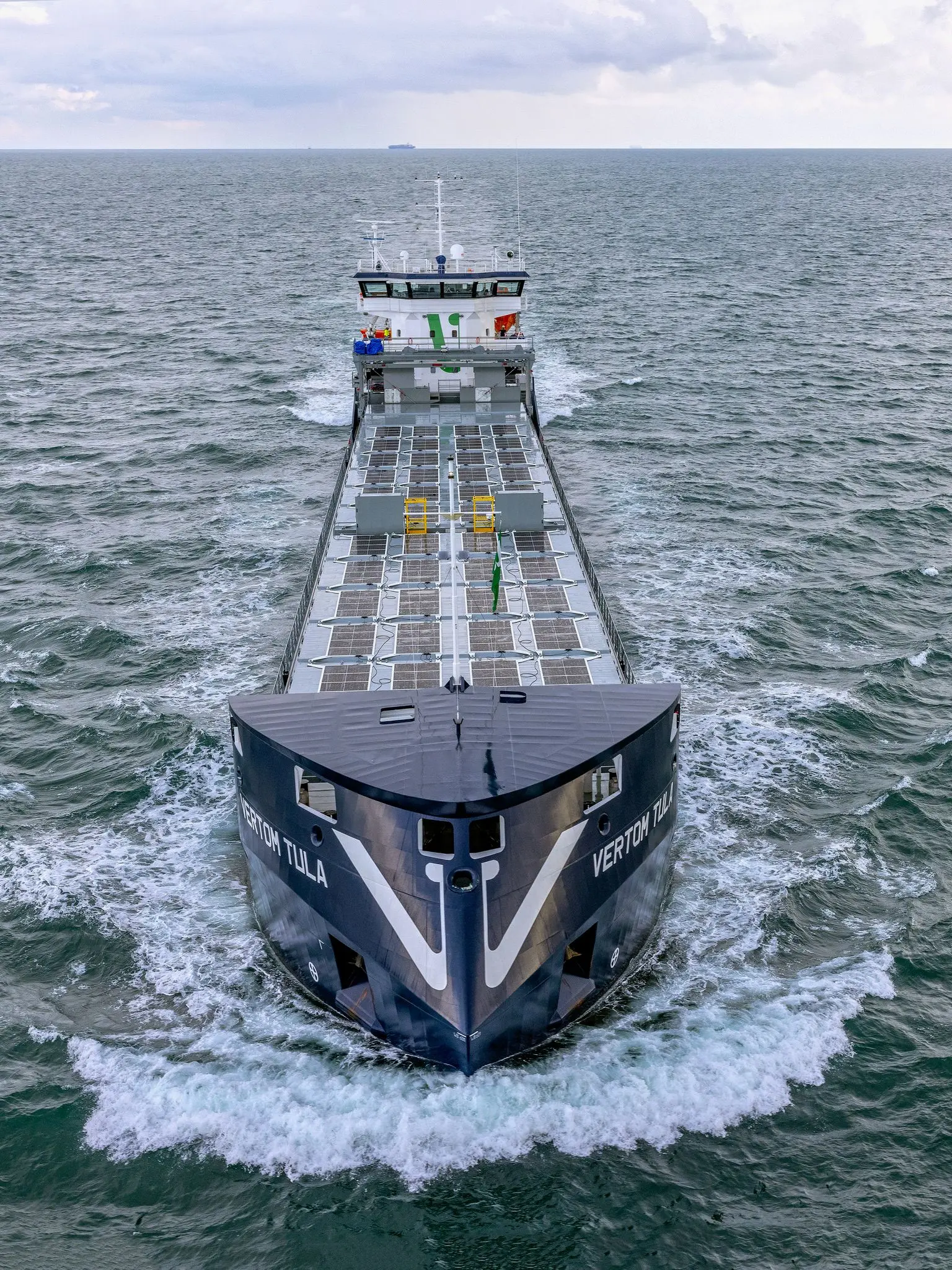
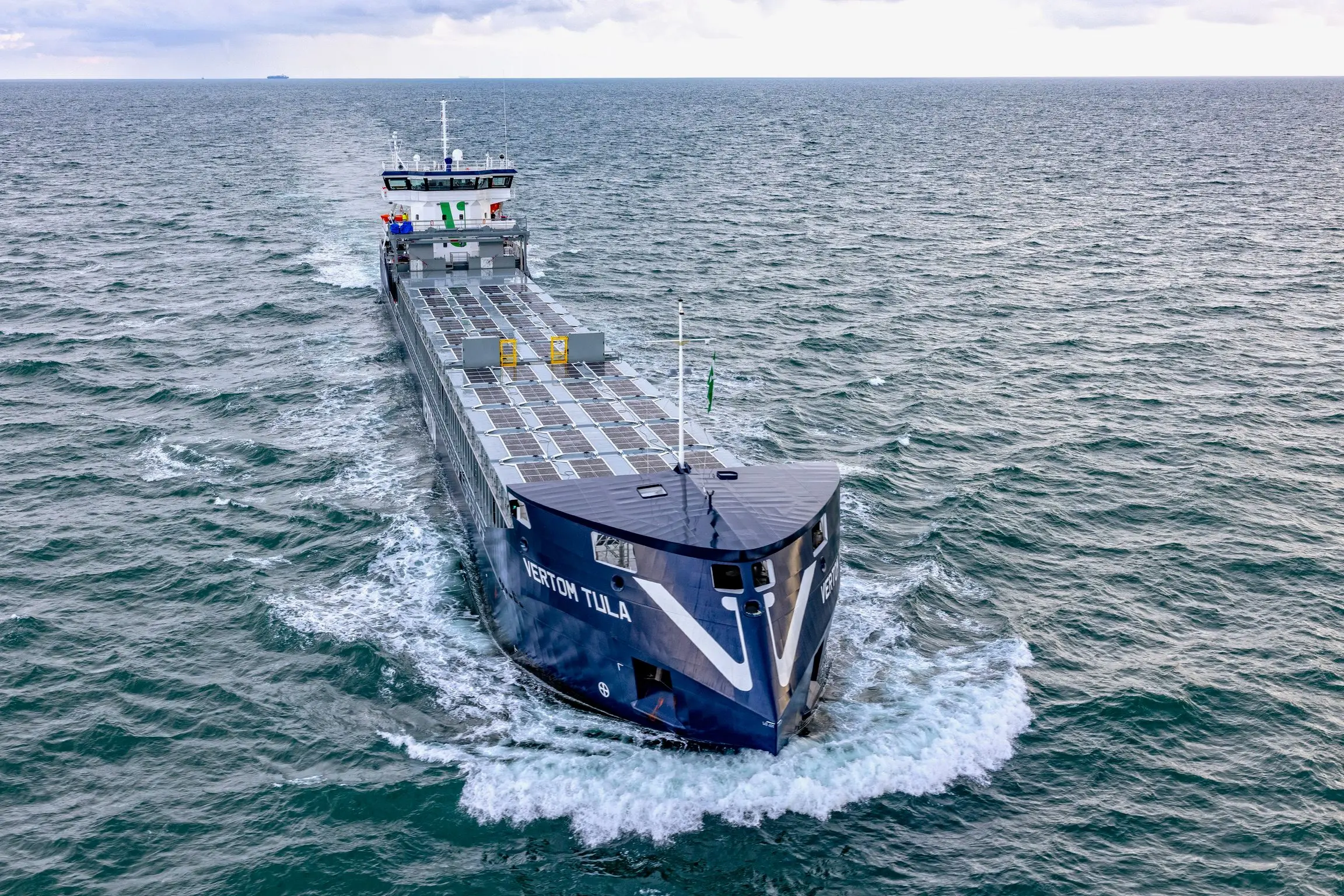
The MV Vertom Tula — the first seagoing coaster with a full-scale Solar Flatrack installation.
For Wattlab, this moment marks a clear turning point. The pilot phase is over. The technology is validated. The first full-scale installation is operational. And with more than 200 parties already in conversation, the question is no longer whether the Solar Flatrack works at sea. The question is how fast it can scale.
Ready to reduce your vessel's emissions?
No obligations. We will calculate your fuel savings and ROI for free.
Get in touchFrom the newsroom
Related articles