Wattlab launches SolarDeck: plug-and-play solar power for seagoing shipping.
After years in inland shipping, Wattlab is now bringing solar to the open sea with a system built around one idea: make it simple.
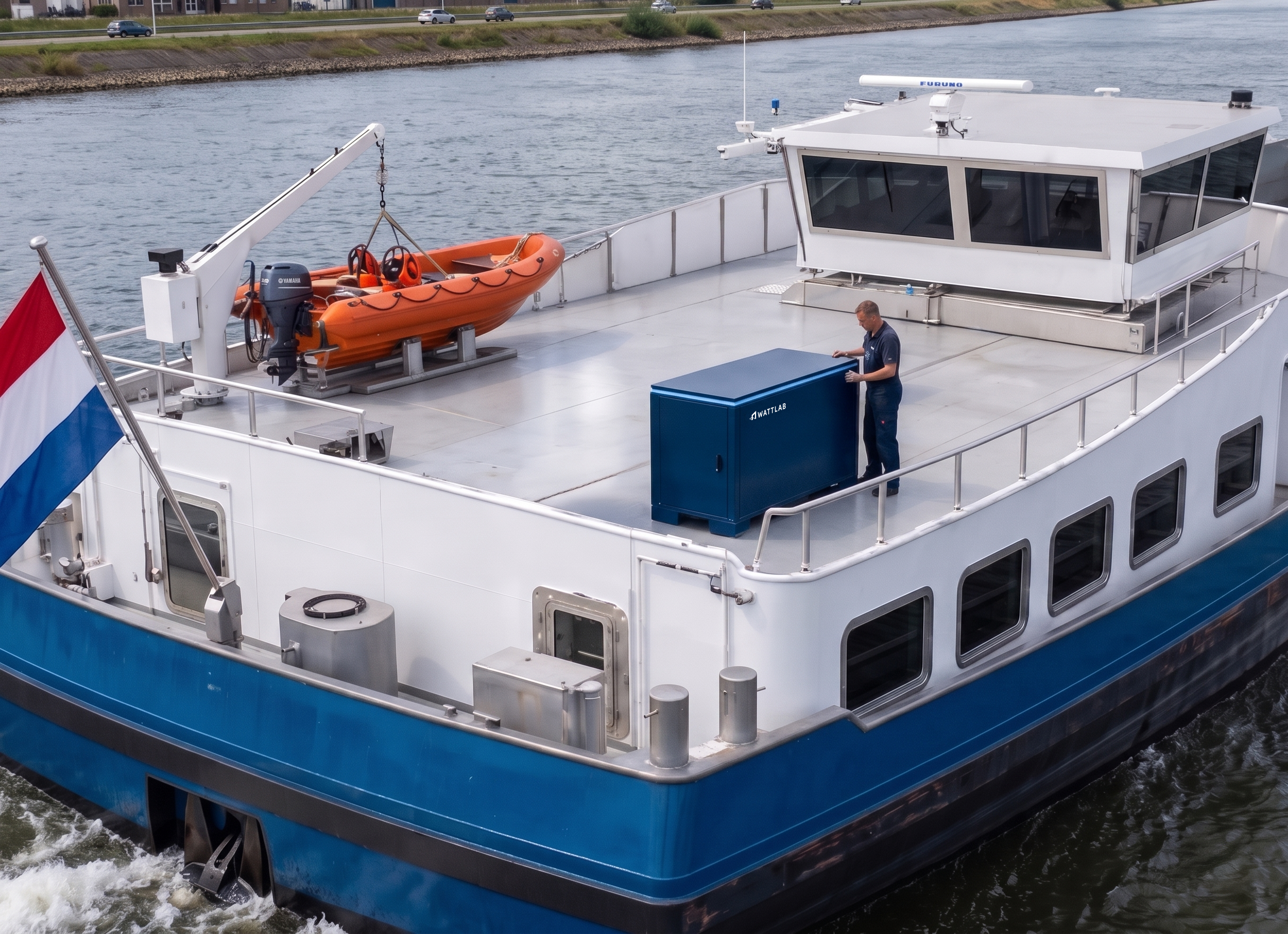
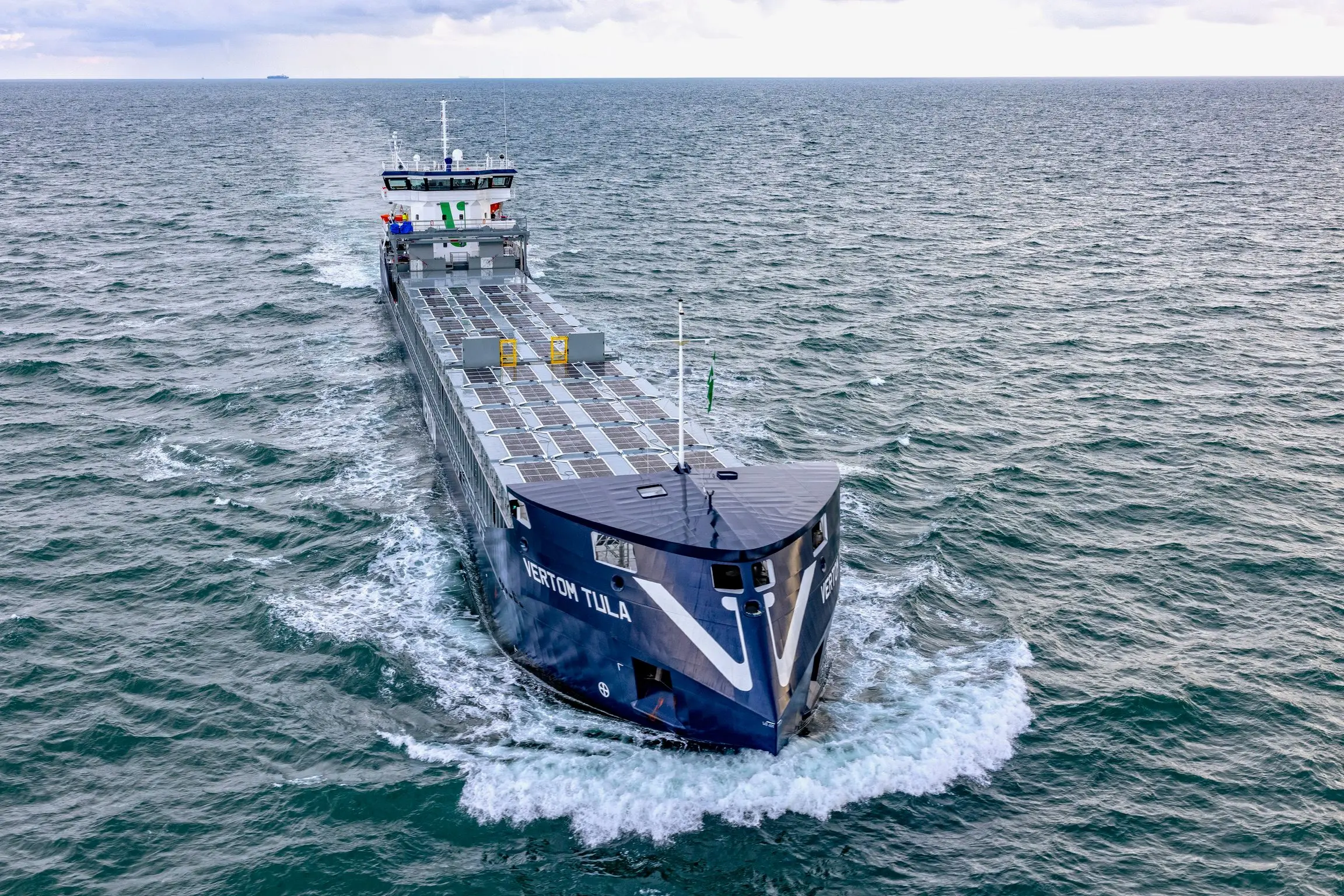
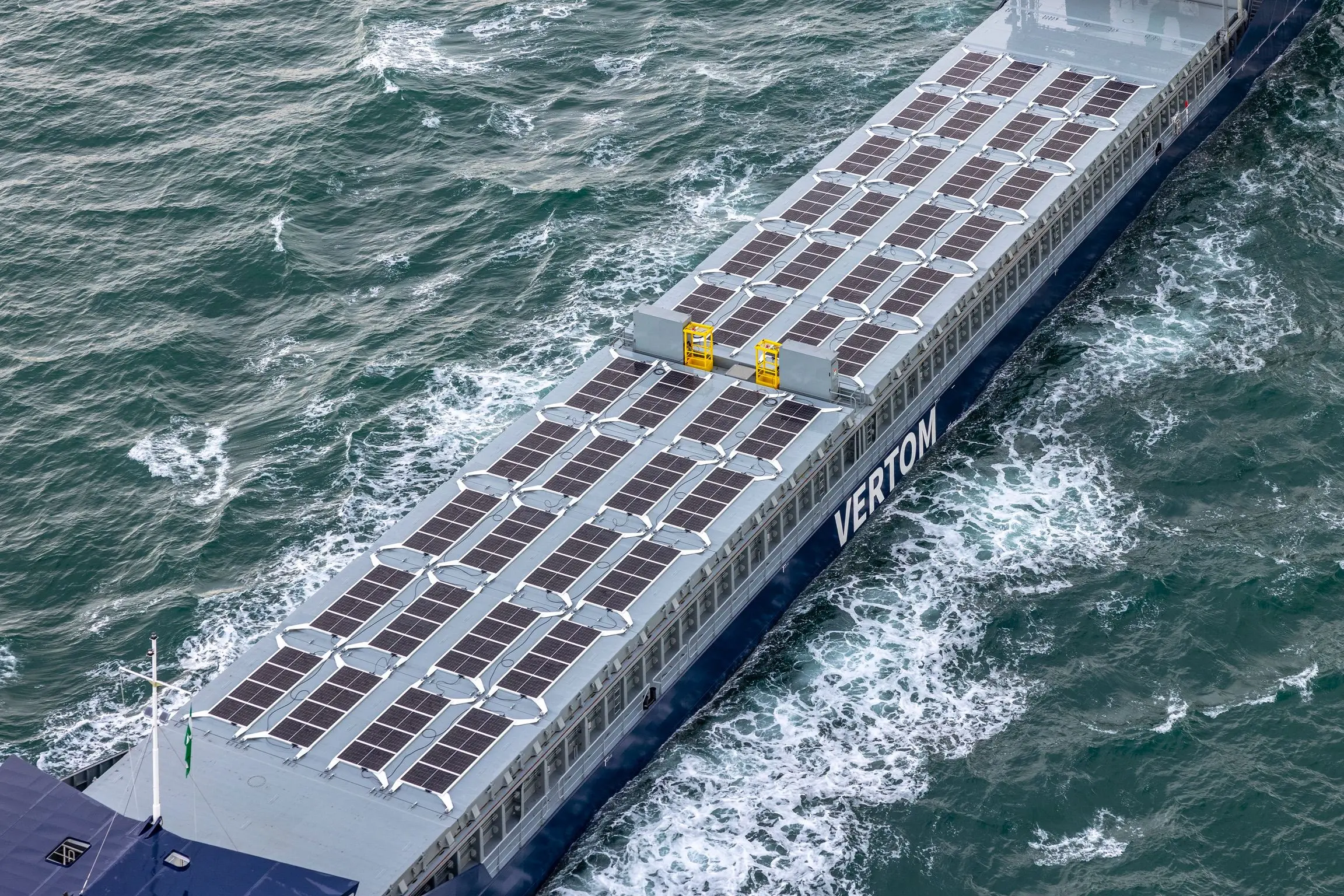
Wattlab is launching SolarDeck, a modular system of deck-mounted solar panels designed for seagoing cargo vessels. The system reduces fuel consumption and CO₂ emissions, with an expected return on investment of 3 to 5 years. It has been tested in real conditions, in a project run together with TNO and Vertom, co-financed by the European Union's Just Transition Fund.
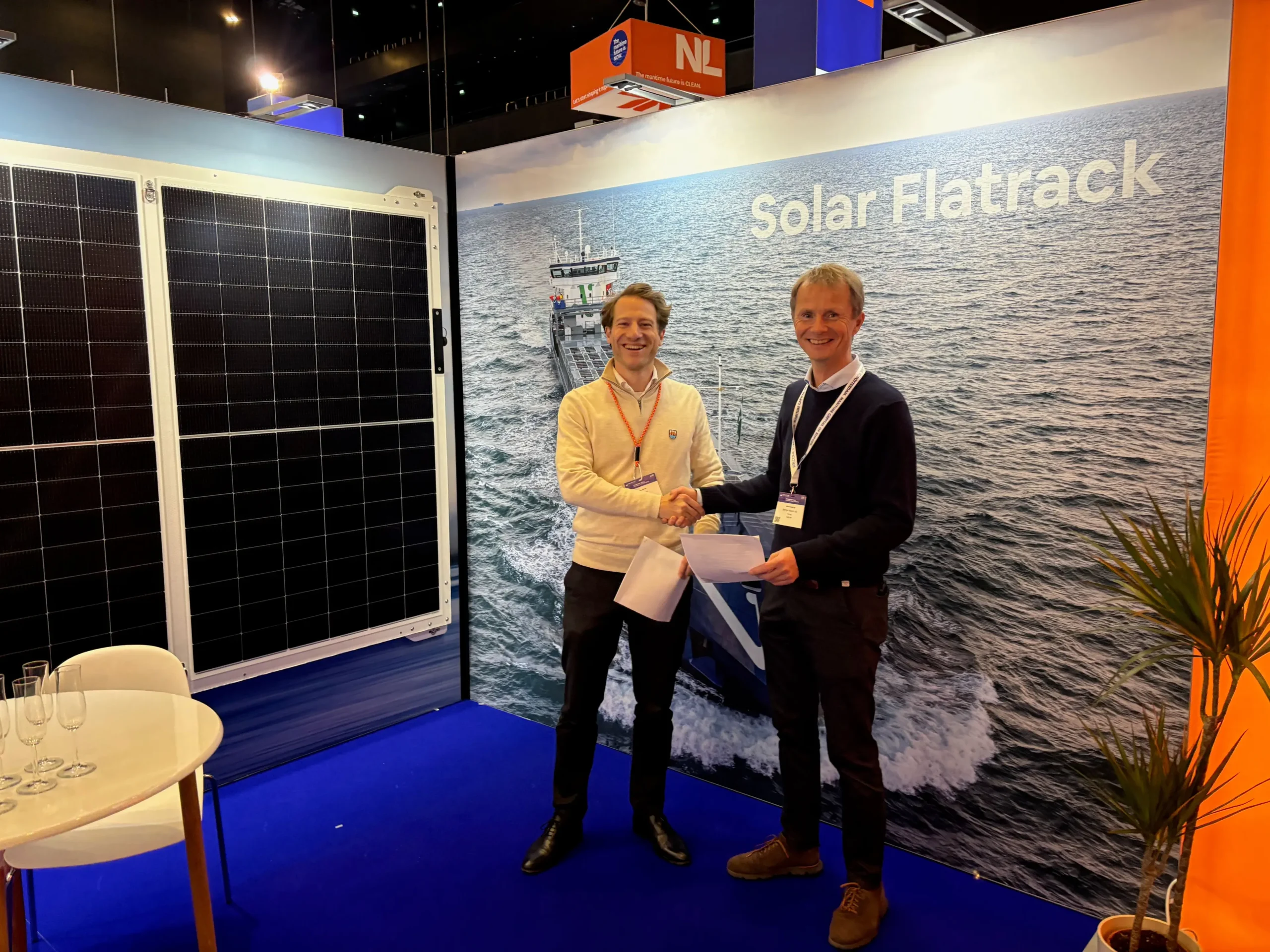
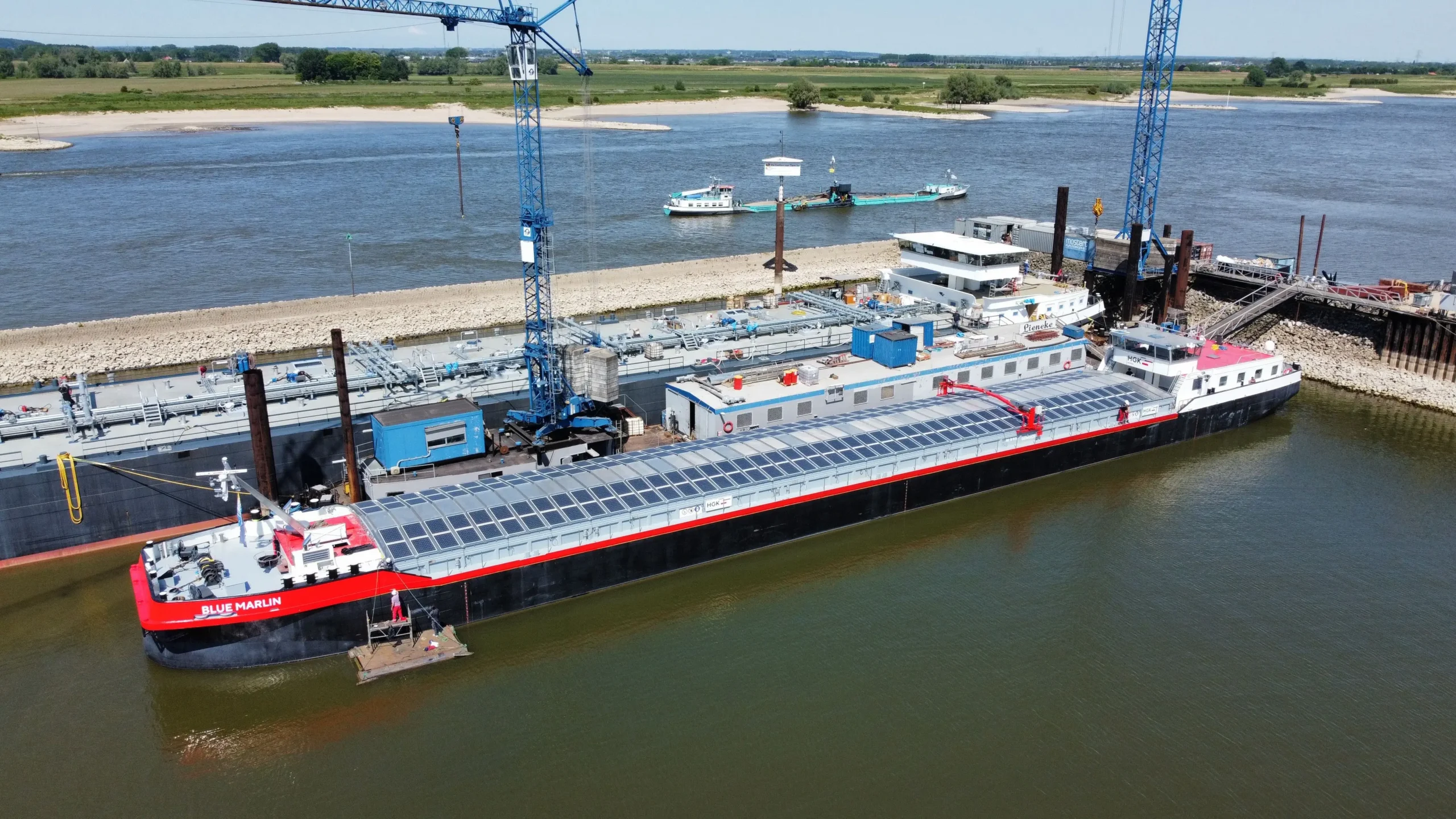
Wattlab started in 2017 with a focus on inland shipping, installing Solar Flatrack systems on more than 25 vessels. The move into seagoing shipping is a natural next step. The challenge was adapting the technology to a tougher environment: saltwater, rougher sea states, and different operational demands.
"SolarDeck isn't just a green upgrade. With a return on investment of 3 to 5 years, it's a smart investment."
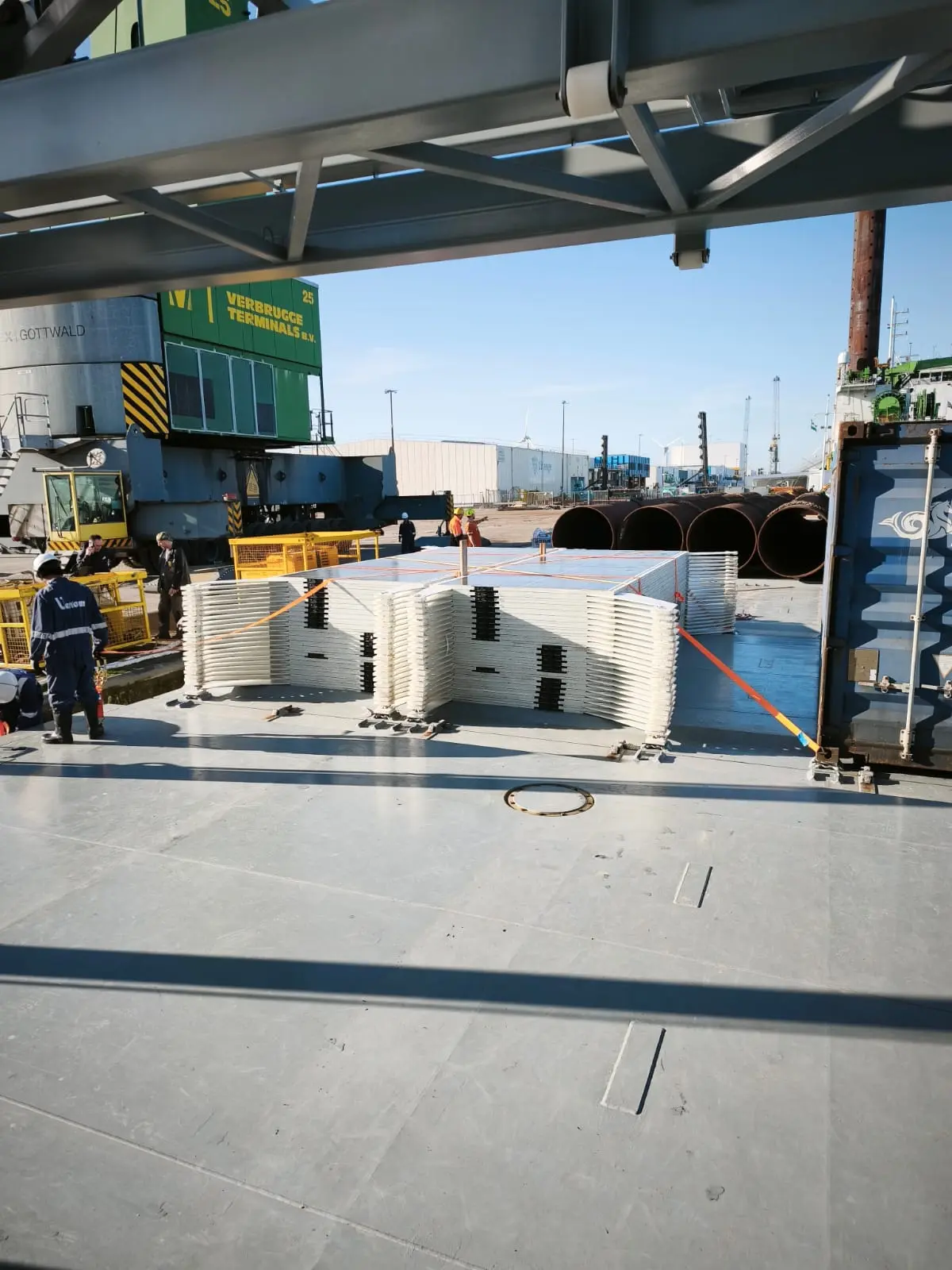
"At all times during the design of SolarDeck, we prioritised the shipowner's requirements," says CEO Bo Salet. "We know that time is money. That's why SolarDeck can be installed quickly using container twist lock fittings, without impacting normal loading and unloading. And if the deck is needed for cargo, like offshore wind blades, the crew can store the entire system inside the volume of a 20-foot container."
Tested with TNO and Vertom
SolarDeck was developed and tested over 18 months on board Vertom's 7,280 DWT general cargo vessel Anette. TNO validated the performance results. The findings were clear: the system generates the expected power output, holds up against storms, and keeps working through the day-to-day activities of a working cargo ship.
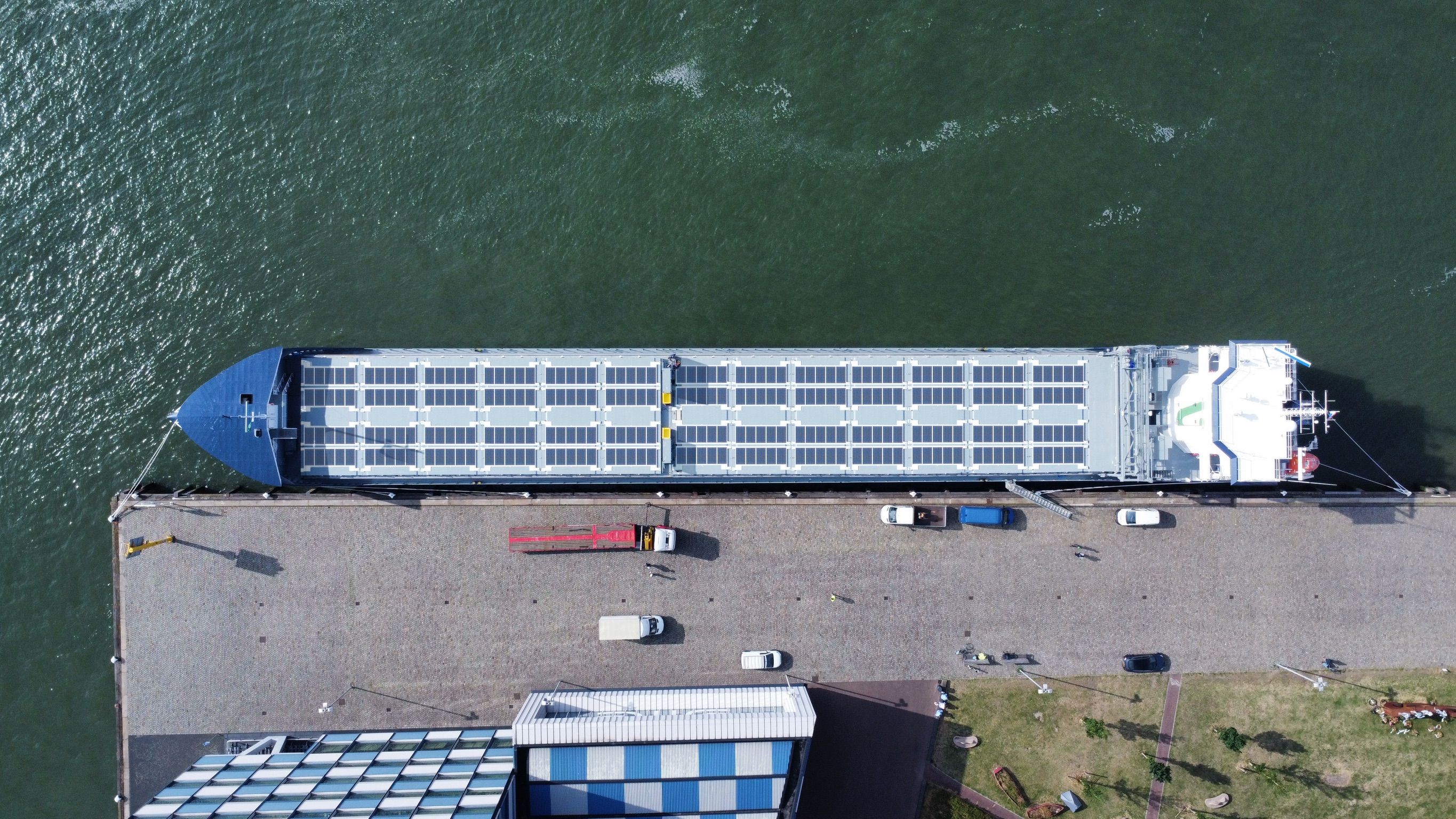
SolarDeck on Vertom's MV Anette during the test phase.
"The test results show that SolarDeck performs well in the tougher coastal shipping environment," Salet explains. "Because salt water drains freely from the panels, there is no salt crust forming that would reduce power output. The system is also robust enough to handle storms and regular deck work, while staying safe at all times."
What it means for shipowners
Impact on compliance
Based on a 119m coaster-type vessel, Wattlab predicts annual reductions of 20 MT fuel and 68 MT CO₂. That has a measurable impact on EEXI and CII scores, and reduces exposure to FuelEU Maritime and EU ETS costs. For larger vessels, the gains are proportionally bigger.
The numbers speak for themselves. But beyond the business case, SolarDeck is also a practical answer to regulations that are only getting stricter. Shipowners looking for a way to improve their scores without a major refit now have a real option.
Bo Salet is confident about what comes next. "We are excited to introduce SolarDeck to the seagoing shipping industry and to show shipowners what this system can do for their operations."
The JTF funding that supported the pilot was provided under the EU's Cohesion Policy 2021-2027, as part of the Just Transition Mechanism working toward EU climate neutrality by 2050.
Ready to reduce your vessel's emissions?
No obligations. We'll calculate your fuel savings and ROI for free.
Get in touchFrom the newsroom
Related articles