Wattlab launches WEstack: a standardised battery system for inland shipping.
Traditional marine battery systems take weeks to install and cost a lot. WEstack is assembled in the workshop and connected on board in a single day.
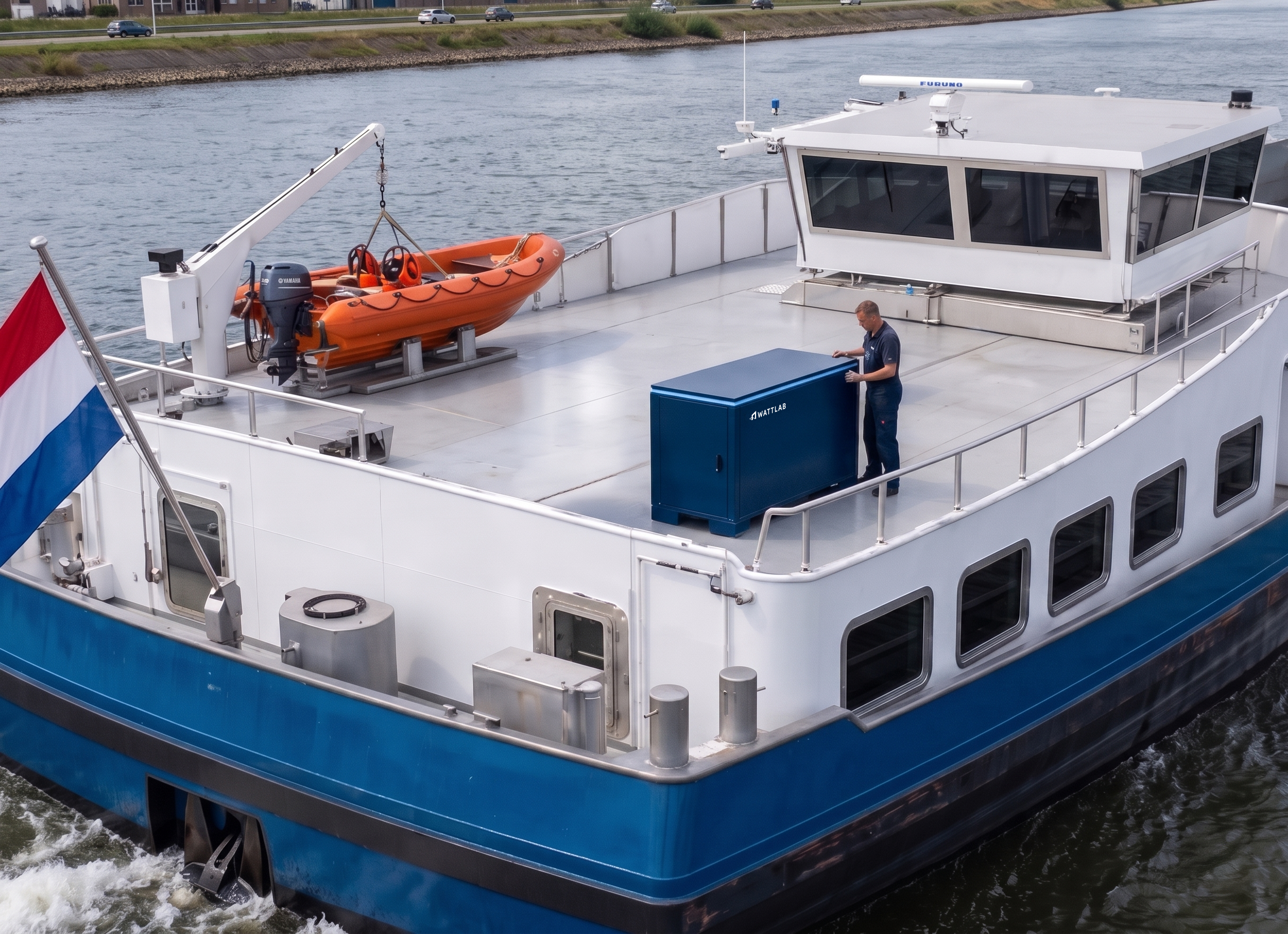
Wattlab is introducing WEstack, a standardised battery system for inland vessels that can be installed on board within a single working day. The goal is straightforward: remove one of the biggest barriers to decarbonisation in inland shipping. Traditional marine battery systems are expensive, fully custom-built and take weeks to install. WEstack is different. It is fully assembled and tested at Wattlab's facility in Rotterdam before it ever reaches the vessel. On board, the crew simply connects it.
The problem with generators
Most inland vessels run their generators at a fraction of their capacity for most of the time. Bo Salet, founder and CEO of Wattlab, explains it plainly: "Generators on vessels operate most of the time at only 10 to 15 percent of their capacity. At low loads, a generator consumes relatively large amounts of fuel. By adding a battery pack, the generator can charge the battery at its optimal operating point, after which the battery supplies power to the vessel."
"Alternative fuels are likely to remain scarce and expensive for years to come. That is why energy efficiency is the fastest and most cost-effective route to reducing emissions."
The result is that generators run far less often. WEstack reduces generator operating hours by up to 80 to 90 percent. That means less fuel, lower maintenance costs and a significant drop in CO₂ emissions. Onboard comfort improves too. Less noise, fewer vibrations and no exhaust fumes when the battery is supplying power.
Four standard sizes
WEstack is available in four standard capacities. That standardisation is the point. It keeps costs down and makes production faster.
The system is installed on the aft deck and works on both newbuild vessels and retrofits. Wattlab says it is suitable for a wide range of inland vessels, from older dry cargo ships to modern tankers and small coasters.
Beyond fuel savings
- Vessels can operate silently and emission-free in port for longer periods
- Reduces dependence on shore power connections
- Supports compliance with port emission rules that are becoming stricter
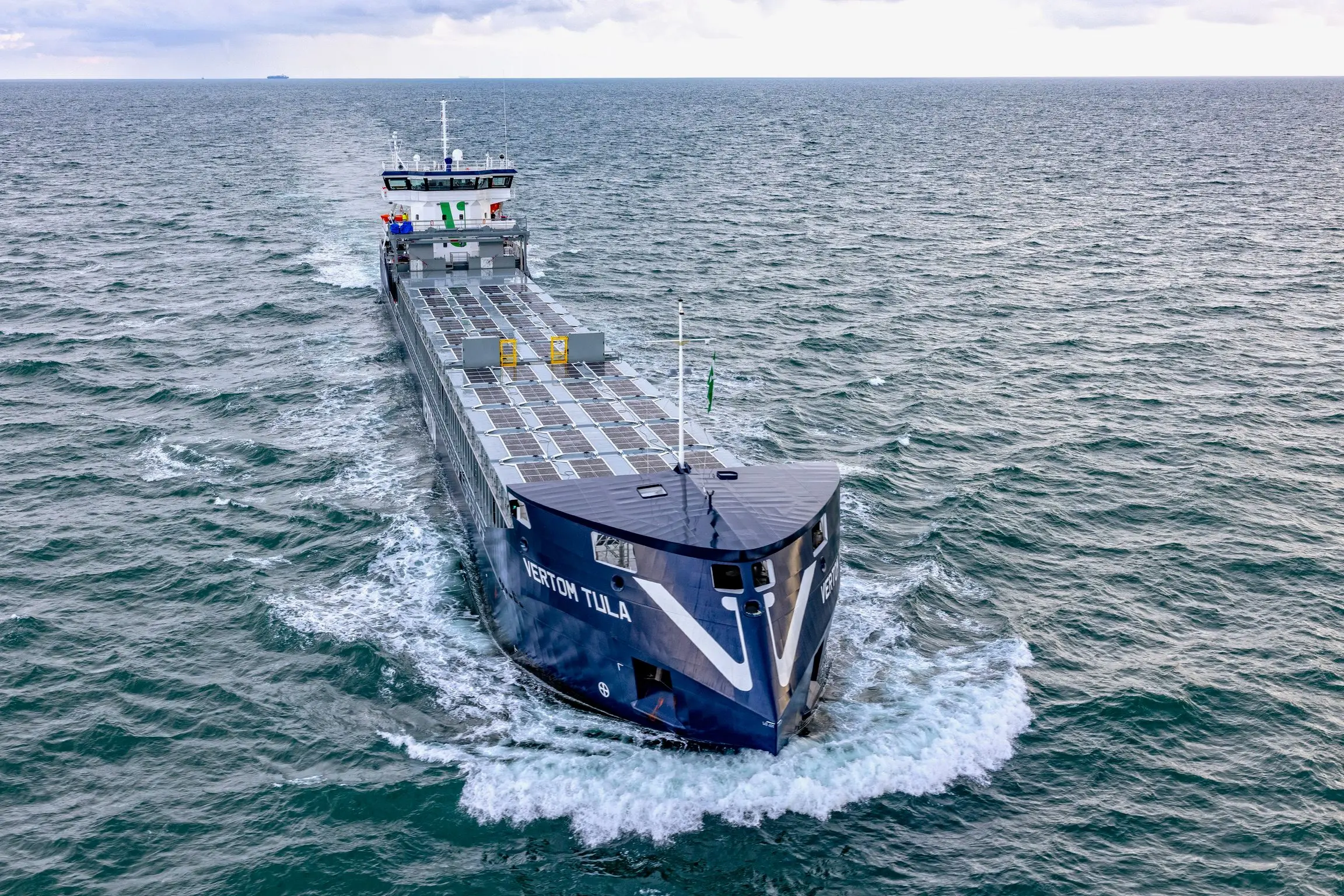
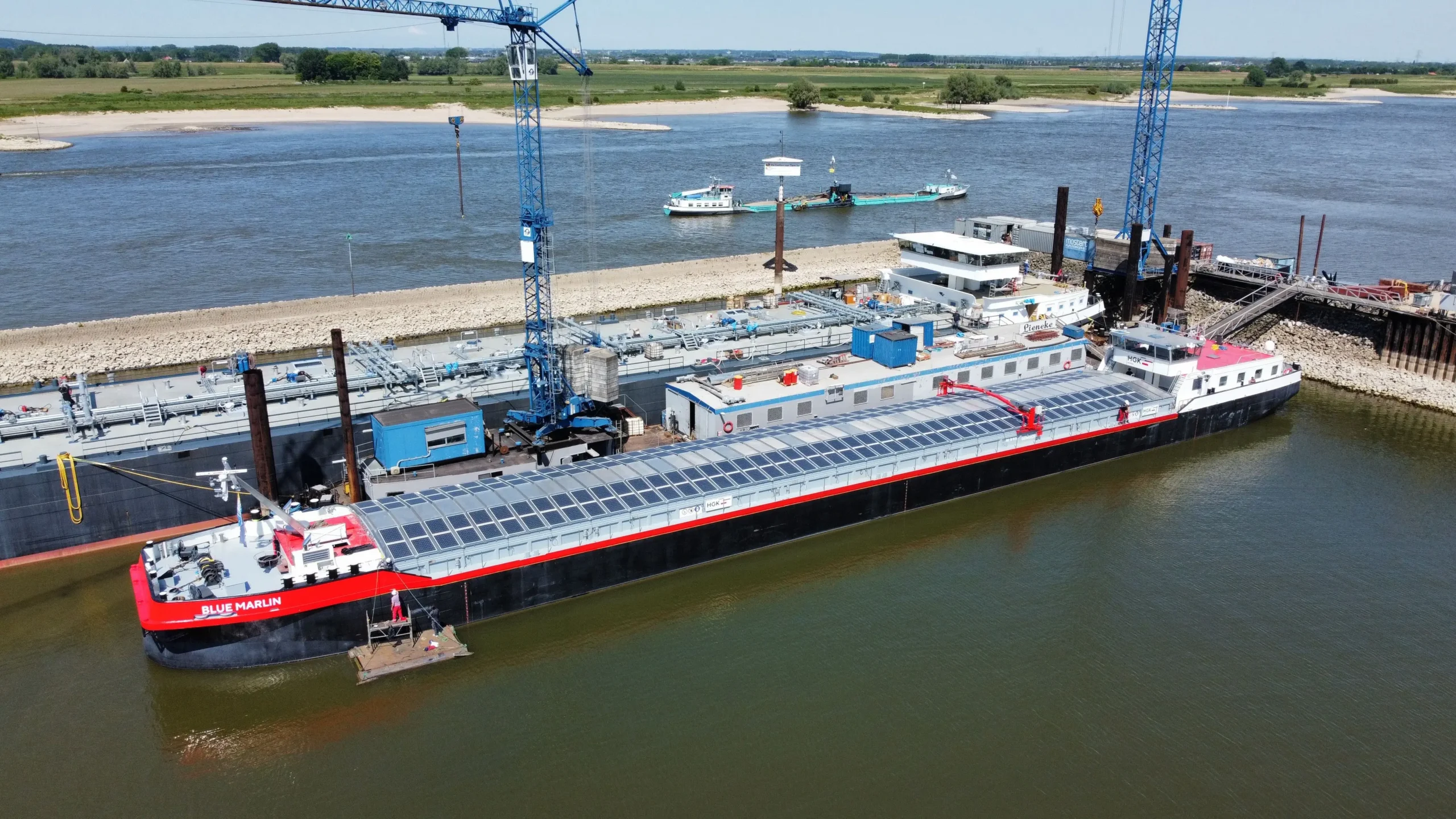
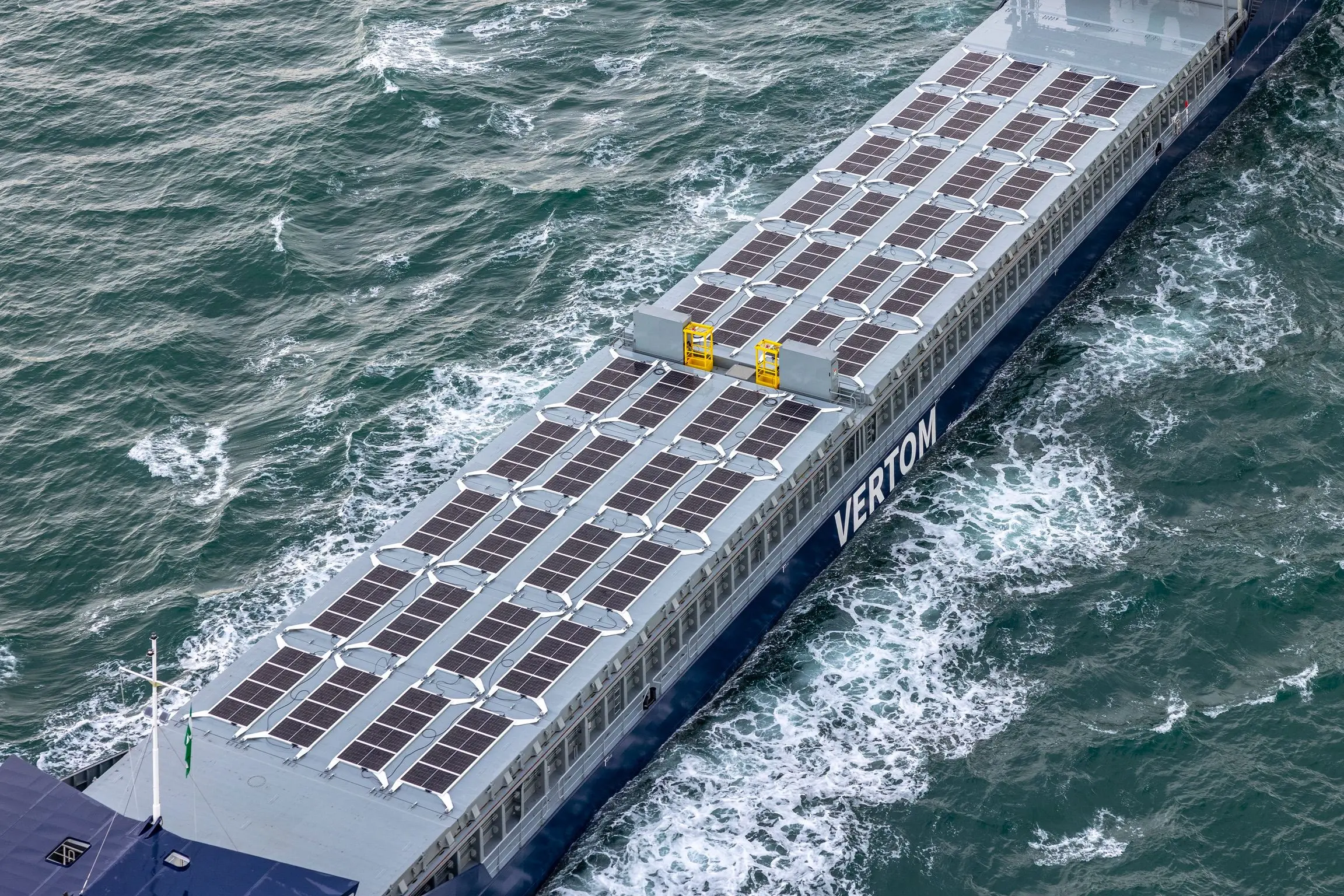
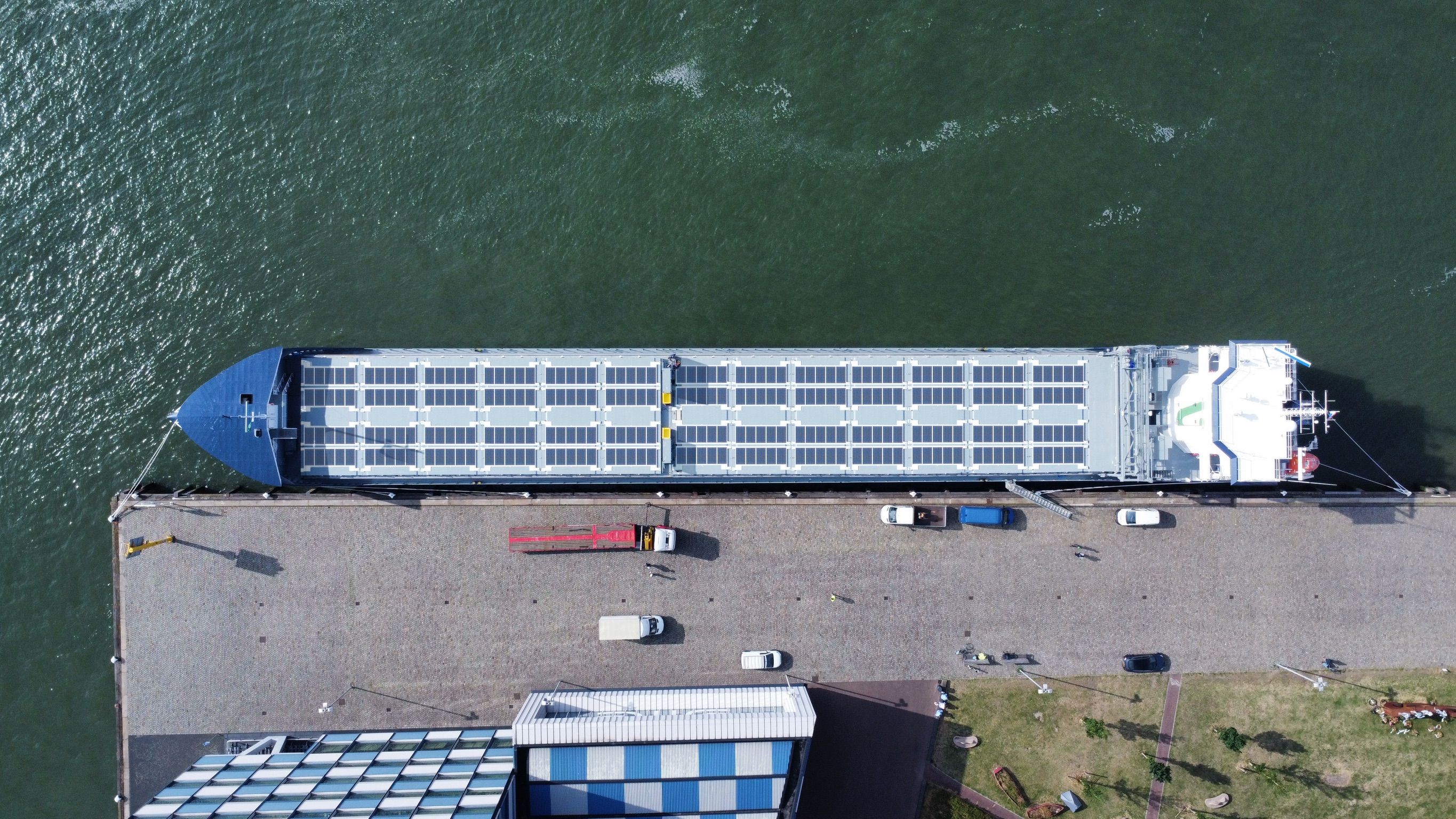
- Works as a standalone system or alongside Solar Flatrack panels
About Wattlab
Wattlab was founded in Rotterdam in 2017 and started with solar energy systems for inland vessels. The company has installed Solar Flatrack systems on more than 30 vessels worldwide, including the Guinness World Record holder MS Helios with 312 panels. With WEstack, Wattlab adds battery storage to its offering, giving inland shipowners a complete energy package.
Salet: "More and more ports want to reduce emissions and noise pollution. With a battery system, vessels can operate silently and emission-free for much longer periods without relying on shore power."
For Wattlab, WEstack is the logical next step. Solar panels reduce fuel consumption during the day. A battery stores that energy and delivers it when the sun is not shining. Together, the two systems give inland vessel operators a practical and proven path to lower emissions and lower costs. Not in the future. Right now.
Ready to reduce your vessel's emissions?
No obligations. We will calculate your fuel savings and ROI for free.
Get in touchFrom the newsroom
Related articles